
No Child Should Go Without - South Auckland Support Organisations Call for Immediate Action!
New data released by Stats NZ confirms what frontline organisations are already witnessing: too many New Zealand children are growing up in hardship.
Latest figures show that 12.6 % of children are living in households earning less than 50 % of the median equivalised disposable household income before housing costs. Despite commentary suggesting economic improvement and easing inflation, the year ended June 2025 showed no statistically significant progress in reducing child poverty. For Pacific and Māori communities, the picture is even more concerning.
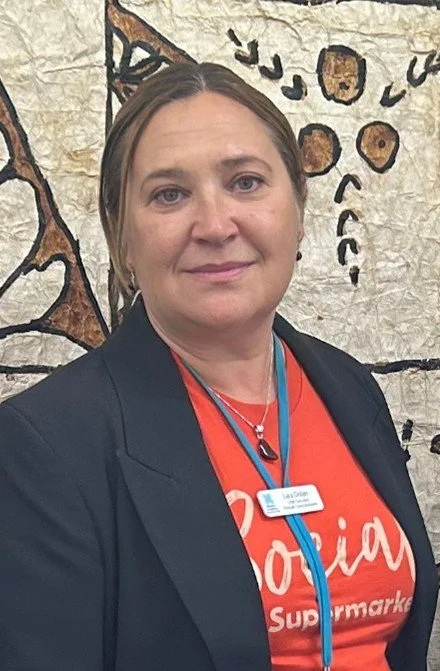
Lara Dolan - MBST Chief Executive Officer
Lara Dolan, Chief Executive of Mangere Budgeting Services Trust, says Pacific children are disproportionately affected, with 18.7 % living in poverty, a 5 % higher than the previous year and significantly above the national average of 12.6 percent. Tamariki Māori remain overrepresented as well, with a rate of 14.9 %, also above the national average.
“These numbers are not abstract statistics for us,” says Dolan. “We see the impact every day in our community.”
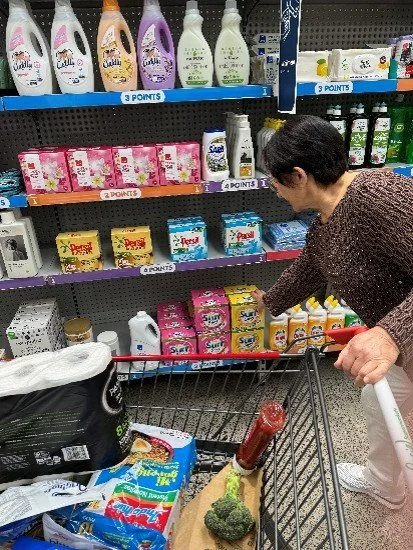
Tatou Social Supermarket shopper
In 2025, MBST supported 4,018 families, a significant increase from 3,142 the previous year. Early trends indicate that demand in 2026 will surpass these figures, with service volumes already tracking at a higher rate than the same period last year.
Families are primarily seeking support due to:
· The ongoing cost-of-living pressures
· Unemployment and insecure or unstable income
Escalating debt burdens, often compounded by high interest rates

Tatou Social Supermarket supporting families
Food insecurity is also rising. In 2025, the number of individuals and families supported through MBST’s food assistance programme increased by 62%.
“Many of our clients are forced to make impossible decisions, whether to pay rent or electricity, or put food on the table for their tamariki,” Dolan says.
“It is heartbreaking,” says Dolan. “As we support one whānau on their journey toward financial independence, another family is already waiting for assistance.”
We are calling on the Government to respond to the growing demand with sustainable investment in frontline financial capability, food security and employment initiatives.
“We urgently need increased funding to meet the scale of demand,” Dolan says. “Community organisations are carrying a growing load, but funding has not kept pace with need.”
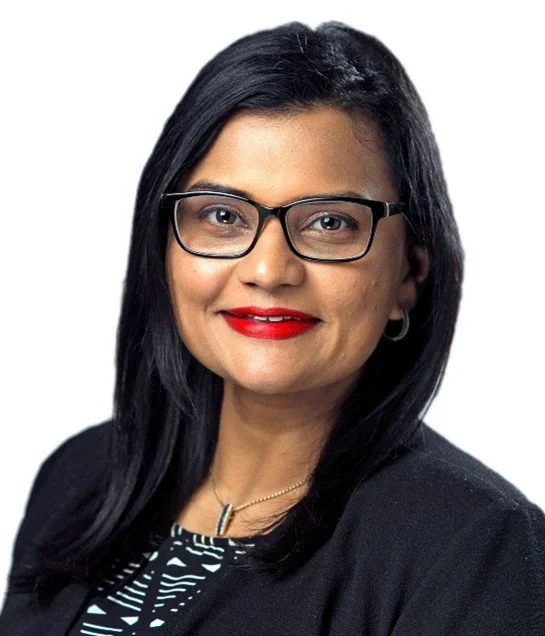
Dee Lodia - MBST Chair of the Board of Trustees
Dee Lodia, Chair of the Trust, adds that a coordinated approach is required.
“The Government can and must do more to support communities in areas of education, employment pathways and food security. Addressing child poverty requires long-term commitment and practical solutions that strengthen families.”
The impact is clear: behind every percentage point is a child who may go to school hungry, a parent choosing between power and food, and a community stretched to its limits.
Without decisive action and increased investment in frontline services, the number of children growing up in hardship will continue to rise, and the long-term social and economic costs to Aotearoa will be far greater than the investment required today.