
Support Welcomed, But Many Whānau Still Left Without Relief
Mangere Budgeting Services welcomes the Government’s announcement of a targeted $50 fuel relief package for low- to medium-income families with children, recognising the difficult balance required in managing inflation and public debt.
However, we are concerned that the current relief package does not extend support to other vulnerable groups who are equally impacted by rising fuel costs. This includes individuals and whānau receiving benefits, those on superannuation, and low-income workers without dependent children. These households are already operating on extremely tight budgets, with little to no ability to absorb further increases in living costs.
Rising petrol prices are also having a wider economic impact. Increased fuel costs affect sectors such as farming, trades, and transport, with these costs quickly flowing through into the price of goods and services, particularly food. As a result, everyday living expenses continue to rise, placing additional pressure on already struggling families.
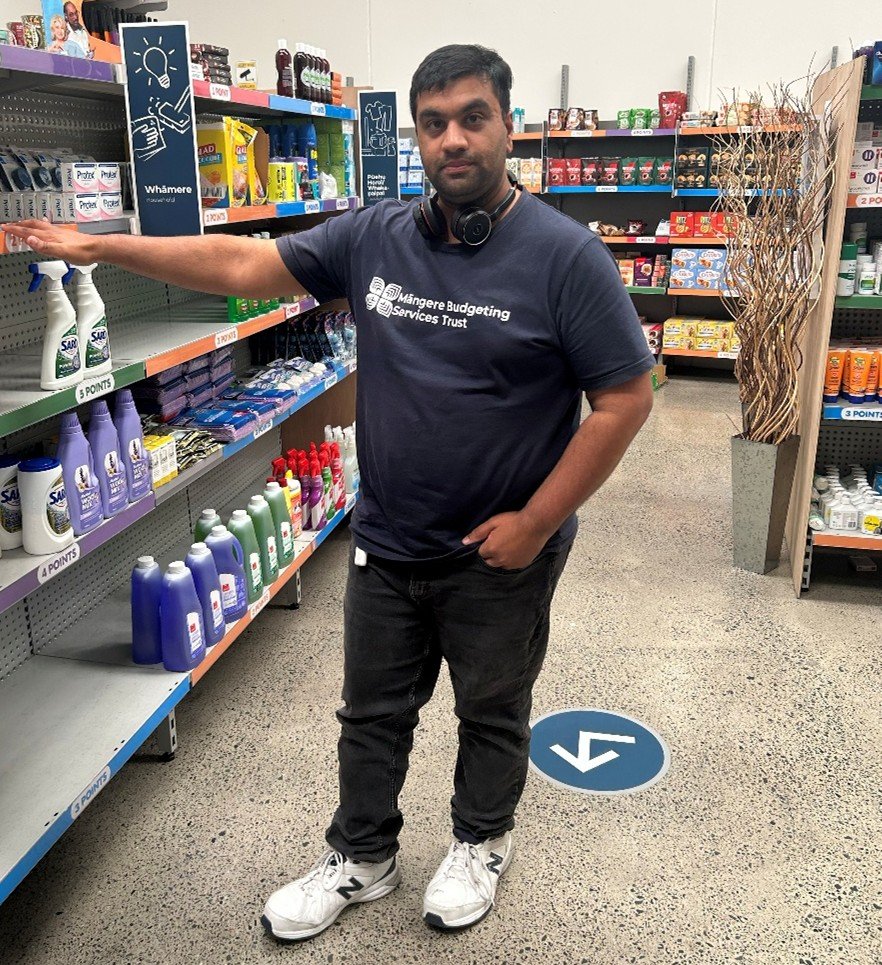
Noel Prakash, Financial Mentor - Mangere Budgeting Services Trust
Fuel prices have increased by approximately 20% since the beginning of March, equating to around 20 to 50 cents per litre. For a 60-litre tank, this represents an additional cost of $18 to $30 per fill, an increase that many households simply cannot afford.
Noel Prakash, Financial Mentor at Mangere Budgeting Services, says:
“Many of my clients could not afford to fill a full tank even before fuel prices started rising. Their budgets are already stretched to the limit. This increase is often the difference between covering basic needs or going without.”
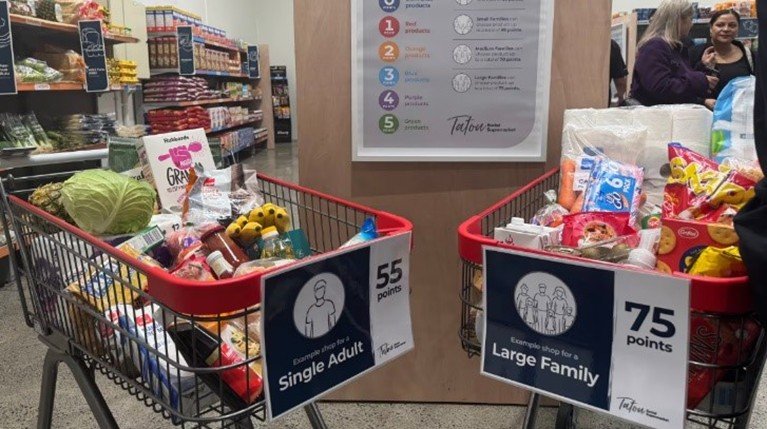
Mangere Budgeting Services is already seeing the real-life consequences of these pressures. In the past three weeks alone, demand for food support has increased by 25% compared to the July 2025 to February 2026 weekly average.
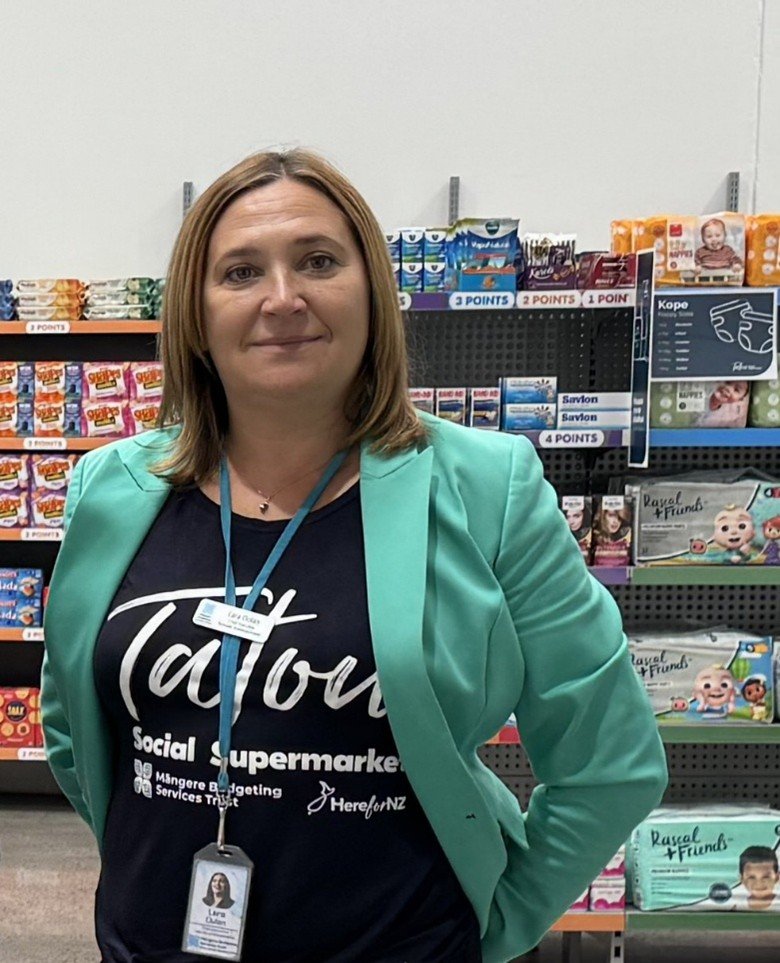
Lara Dolan, CEO - Mangere Budgeting Services Trust
CEO Lara Dolan says the situation is becoming increasingly unsustainable for many whānau:
“We are seeing families forced to make impossible choices such as skipping meals, changing the type and quality of food they eat, delaying essential payments like power or rates, and relying on Buy Now Pay Later just to afford petrol or groceries. These are not sustainable solutions and will have long-term impacts on financial well-being.”
While acknowledging the Government is undertaking a complex and challenging role, particularly in maintaining a stable fuel supply and avoiding further inflationary pressure, Mangere Budgeting Services says relief measures must better reflect the reality on the ground.
CEO Lara Dolan says, “Hardship is not limited to families with children. Many others are facing the same pressures every day. Any support package must be equitable and responsive to all vulnerable people.”